
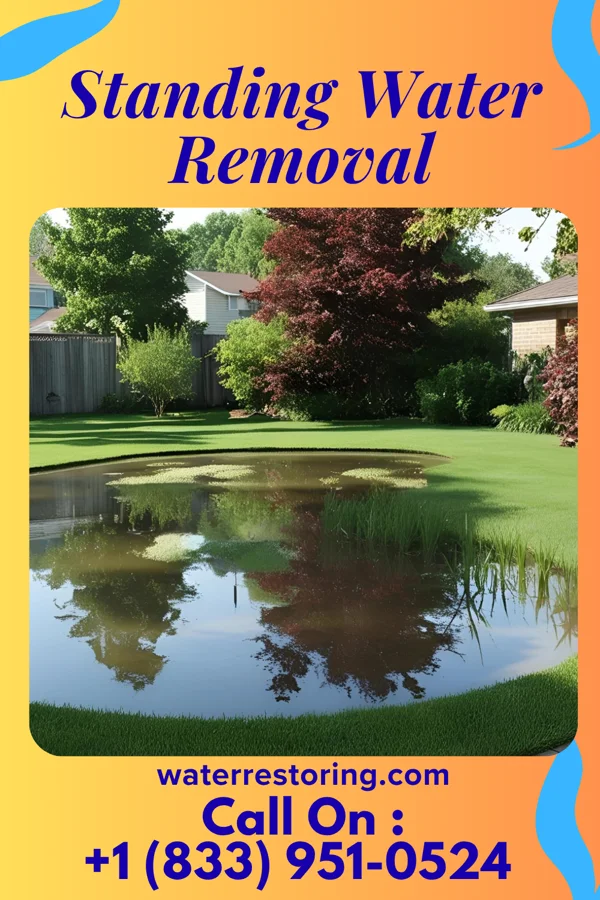
Standing Water & Insurance in Orlando
summer afternoon thunderstorm flash flooding is the trigger behind most standing water removal claims in Orlando. A close second is tropical storm and hurricane rainfall surges, plumbing failures in aging apartment complexes, pool overflow and irrigation system malfunctions. Most homeowner insurance policies cover sudden, accidental water damage. What separates a clean claim from a stuck one is fast professional response with documentation an adjuster can actually use.
Orlando sits in the heart of Central Florida, one of the wettest regions in the continental United States, where the rainy season from June through September delivers an average of nearly 40 inches of rainfall — often in intense, localized bursts that overwhelm the city's flat drainage infrastructure within minutes. The greater Orlando area sits atop sandy soils with a notoriously shallow water table, meaning groundwater rises rapidly during heavy rain events and can push water into slabs, garages, and ground-floor units from below rather than just through doors and windows. With hundreds of lakes dotting Orange County and low-elevation neighborhoods like Conway and Pine Hills sitting just feet above the water table, property owners face standing water risk from multiple directions simultaneously during any significant storm.
Most standing water removal calls in Orlando come from summer afternoon thunderstorm flash flooding. Running a close second is tropical storm and hurricane rainfall surges, plumbing failures in aging apartment complexes, pool overflow and irrigation system malfunctions. Local mold risk: Orlando's year-round average temperatures above 72°F and relative humidity consistently exceeding 75% during the rainy season create near-perfect mold germination conditions, meaning visible colonies can begin forming on drywall, insulation, and subfloor materials within 24 hours of a standing water event. The city's dominant housing stock — including 1980s and 1990s stucco-clad block construction and wood-frame townhomes common in neighborhoods like MetroWest and Hunters Creek — absorbs moisture into wall cavities rapidly, often hiding active mold growth behind surfaces that appear dry to the touch. Because Orlando properties rarely experience true dry seasons with low indoor humidity, even partially dried structures remain at elevated mold risk for weeks if professional extraction and structural drying are not completed thoroughly.